
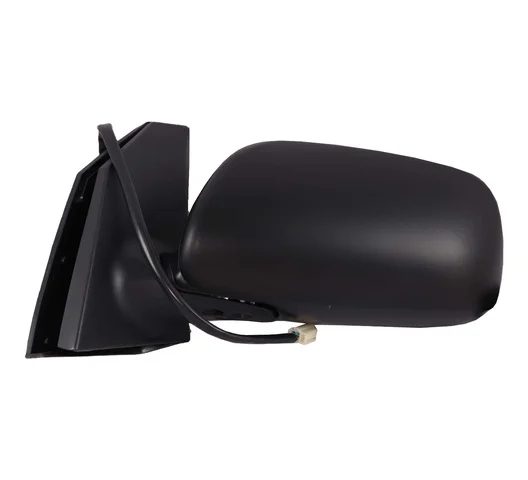


When shopping for auto spare parts in Nairobi's Industrial Area, Kirinyaga Road, or online at Greyant, one of the first questions you will encounter is: "Do you want OEM or aftermarket?" Understanding the difference is vital for balancing your vehicle maintenance budget without sacrificing reliability.
What Are OEM (Original Equipment Manufacturer) Parts?
OEM parts are built by the company that manufactured the original components installed in your vehicle at the factory. For example, Denso and Aisin manufacture original sensors, starters, alternators, and water pumps for Toyota. OEM parts guarantee 100% exact fitment, factory performance specifications, and maximum service life.
What Are Aftermarket Parts?
Aftermarket parts are produced by independent manufacturers. They range from premium Tier-1 manufacturers (such as Bosch, KYB, Valeo, Brembo, NGK, and 555) that often exceed factory specifications to budget-tier generic manufacturers.
Direct Comparison: Pros and Cons
| Factor | OEM Parts | Tier-1 Aftermarket Parts |
|---|---|---|
| Fitment | Guaranteed 100% precise fit | Precise fit from reputable brands |
| Price | Higher price point | 20% to 45% cost savings |
| Availability | Sometimes requires special order | Widely stocked and immediately available |
| Durability | Factory standard longevity | Equal or superior depending on brand |
When Should You Choose OEM?
- Engine internals & timing components: Timing chains, VVT-i gears, head gaskets, and crankshaft sensors.
- Critical safety systems: Airbag sensors, ABS hydraulic modules, and ECU computers.
When Are Aftermarket Spares the Smart Choice?
- Suspension & steering: KYB shock absorbers and Sankei 555 ball joints often match OEM longevity at substantial savings.
- Brake friction: Akebono, Brembo, and Bosch brake pads deliver equal or better braking power.
- Regular service consumables: Quality cabin filters, wiper blades, and spark plugs.